




 მაგიური ავთო • Magic Avto Slot
 ყლეოგენ AI
MLB 26 Moonshot Program Guide and Rewards From U4GM
Moonshot is back in MLB The Show 26, and it is built for players who enjoy watching the ball leave the yard. The program rewards steady offensive production, but it is not just about swinging for the fences every plate appearance. You will make better progress by building a lineup that can cover several targets at once, especially if you are trying to save your MLB 26 Stubs for cards that genuinely improve your roster. Home Runs, Extra-Base Hits, Hits, Runs, Wins, and Parallel XP are all the kinds of statistics that can shape the grind, depending on the active missions. A little planning before the first game can save a lot of repeated work later.
The Main Rewards and Why They Matter
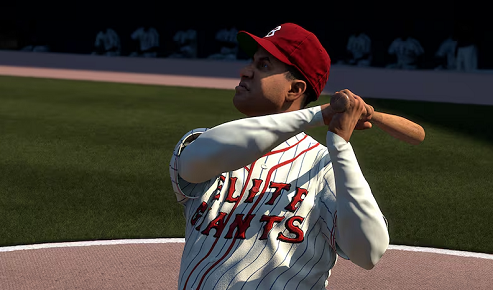
Jackie Robinson is naturally one of the biggest attractions in this program. His appeal goes beyond one standout attribute. He can help with contact, speed, defence, and positional coverage, which makes him useful for more than a single lineup setup. That sort of flexibility matters in Diamond Dynasty, where you may need to adjust your squad for an Event, a team requirement, or a particular mission. Wade Boggs offers a different style. He is better suited to players who like working counts, putting the ball in play, and reaching base regularly. Moonshot may lean towards power, but a reliable contact bat still has plenty of value when the target is simply Hits or Runs.
Power Bats Should Drive Your Planning
Adam Dunn fits the identity of Moonshot almost perfectly. If the mission list calls for Home Runs or Extra-Base Hits, a player with genuine power can make those targets feel much less painful. The same thinking applies to the other featured names, including Gil Hodges, Joe Torre, Rod Carew, Paul Molitor, Adam Jones, Garret Anderson, and Dave Roberts. You do not need to force every one of them into the starting lineup straight away. Instead, look at what each card can do and keep useful options available. A strong power core should sit alongside a few hitters who can make contact, run well, or cover more than one position. That way, your lineup does not fall apart when the mission requirements shift.
How to Move Through the Program Faster
Before starting a game, open the full reward path and read every mission carefully. This sounds obvious, yet plenty of players skip it and end up replaying the same type of game several times. Look for targets that overlap. If one mission asks for Home Runs, another tracks Hits, and a third counts Runs, use a lineup that can work towards all three in the same innings. Do not swap half the roster after every completed objective unless the mission specifically calls for it. An available Moonshot Event may also help, since event games often create a natural setting for offensive statistics. Keep an eye on Wins and Parallel XP as well. They can progress in the background while you focus on hitting.
Spend Carefully and Use What You Own
There is rarely a good reason to rush into the market before you know the complete requirements. Your collection may already include enough power, contact, speed, and defensive cover to handle most of the programme. Check your cards first. If you still need help, buy with a clear purpose. A card that contributes to two or three missions is far more useful than a random upgrade that only improves one spot in the lineup. This is especially important early in the year, when resources can disappear quickly. Keep potentially relevant players rather than selling them immediately, and wait until the missions are clear before making expensive changes.
Buy MLB 26 Stubs from u4gm.com and enjoy a secure, convenient purchasing process supported by years of industry experience, ensuring your account remains safe and protected.
Moonshot is back in MLB The Show 26, and it is built for players who enjoy watching the ball leave the yard. The program rewards steady offensive production, but it is not just about swinging for the fences every plate appearance. You will make better progress by building a lineup that can cover several targets at once, especially if you are trying to save your MLB 26 Stubs for cards that genuinely improve your roster. Home Runs, Extra-Base Hits, Hits, Runs, Wins, and Parallel XP are all the kinds of statistics that can shape the grind, depending on the active missions. A little planning before the first game can save a lot of repeated work later.
The Main Rewards and Why They Matter
Jackie Robinson is naturally one of the biggest attractions in this program. His appeal goes beyond one standout attribute. He can help with contact, speed, defence, and positional coverage, which makes him useful for more than a single lineup setup. That sort of flexibility matters in Diamond Dynasty, where you may need to adjust your squad for an Event, a team requirement, or a particular mission. Wade Boggs offers a different style. He is better suited to players who like working counts, putting the ball in play, and reaching base regularly. Moonshot may lean towards power, but a reliable contact bat still has plenty of value when the target is simply Hits or Runs.
Power Bats Should Drive Your Planning
Adam Dunn fits the identity of Moonshot almost perfectly. If the mission list calls for Home Runs or Extra-Base Hits, a player with genuine power can make those targets feel much less painful. The same thinking applies to the other featured names, including Gil Hodges, Joe Torre, Rod Carew, Paul Molitor, Adam Jones, Garret Anderson, and Dave Roberts. You do not need to force every one of them into the starting lineup straight away. Instead, look at what each card can do and keep useful options available. A strong power core should sit alongside a few hitters who can make contact, run well, or cover more than one position. That way, your lineup does not fall apart when the mission requirements shift.
How to Move Through the Program Faster
Before starting a game, open the full reward path and read every mission carefully. This sounds obvious, yet plenty of players skip it and end up replaying the same type of game several times. Look for targets that overlap. If one mission asks for Home Runs, another tracks Hits, and a third counts Runs, use a lineup that can work towards all three in the same innings. Do not swap half the roster after every completed objective unless the mission specifically calls for it. An available Moonshot Event may also help, since event games often create a natural setting for offensive statistics. Keep an eye on Wins and Parallel XP as well. They can progress in the background while you focus on hitting.
Spend Carefully and Use What You Own
There is rarely a good reason to rush into the market before you know the complete requirements. Your collection may already include enough power, contact, speed, and defensive cover to handle most of the programme. Check your cards first. If you still need help, buy with a clear purpose. A card that contributes to two or three missions is far more useful than a random upgrade that only improves one spot in the lineup. This is especially important early in the year, when resources can disappear quickly. Keep potentially relevant players rather than selling them immediately, and wait until the missions are clear before making expensive changes.
Buy MLB 26 Stubs from u4gm.com and enjoy a secure, convenient purchasing process supported by years of industry experience, ensuring your account remains safe and protected.
MLB 26 Moonshot Program Guide and Rewards From U4GM
Moonshot is back in MLB The Show 26, and it is built for players who enjoy watching the ball leave the yard. The program rewards steady offensive production, but it is not just about swinging for the fences every plate appearance. You will make better progress by building a lineup that can cover several targets at once, especially if you are trying to save your MLB 26 Stubs for cards that genuinely improve your roster. Home Runs, Extra-Base Hits, Hits, Runs, Wins, and Parallel XP are all the kinds of statistics that can shape the grind, depending on the active missions. A little planning before the first game can save a lot of repeated work later.
The Main Rewards and Why They Matter
Jackie Robinson is naturally one of the biggest attractions in this program. His appeal goes beyond one standout attribute. He can help with contact, speed, defence, and positional coverage, which makes him useful for more than a single lineup setup. That sort of flexibility matters in Diamond Dynasty, where you may need to adjust your squad for an Event, a team requirement, or a particular mission. Wade Boggs offers a different style. He is better suited to players who like working counts, putting the ball in play, and reaching base regularly. Moonshot may lean towards power, but a reliable contact bat still has plenty of value when the target is simply Hits or Runs.
Power Bats Should Drive Your Planning
Adam Dunn fits the identity of Moonshot almost perfectly. If the mission list calls for Home Runs or Extra-Base Hits, a player with genuine power can make those targets feel much less painful. The same thinking applies to the other featured names, including Gil Hodges, Joe Torre, Rod Carew, Paul Molitor, Adam Jones, Garret Anderson, and Dave Roberts. You do not need to force every one of them into the starting lineup straight away. Instead, look at what each card can do and keep useful options available. A strong power core should sit alongside a few hitters who can make contact, run well, or cover more than one position. That way, your lineup does not fall apart when the mission requirements shift.
How to Move Through the Program Faster
Before starting a game, open the full reward path and read every mission carefully. This sounds obvious, yet plenty of players skip it and end up replaying the same type of game several times. Look for targets that overlap. If one mission asks for Home Runs, another tracks Hits, and a third counts Runs, use a lineup that can work towards all three in the same innings. Do not swap half the roster after every completed objective unless the mission specifically calls for it. An available Moonshot Event may also help, since event games often create a natural setting for offensive statistics. Keep an eye on Wins and Parallel XP as well. They can progress in the background while you focus on hitting.
Spend Carefully and Use What You Own
There is rarely a good reason to rush into the market before you know the complete requirements. Your collection may already include enough power, contact, speed, and defensive cover to handle most of the programme. Check your cards first. If you still need help, buy with a clear purpose. A card that contributes to two or three missions is far more useful than a random upgrade that only improves one spot in the lineup. This is especially important early in the year, when resources can disappear quickly. Keep potentially relevant players rather than selling them immediately, and wait until the missions are clear before making expensive changes.
Buy MLB 26 Stubs from u4gm.com and enjoy a secure, convenient purchasing process supported by years of industry experience, ensuring your account remains safe and protected.
0 კომენტარები
0 გაზიარებები
75 ნახვები
0 შეფასებები

 English